
Measurement & Methods
Choosing a pH Electrode for Your Laboratory Sample
Choose a pH electrode around sample characteristics, working range, junction, connector compatibility and laboratory maintenance needs.
Published October 19, 2026
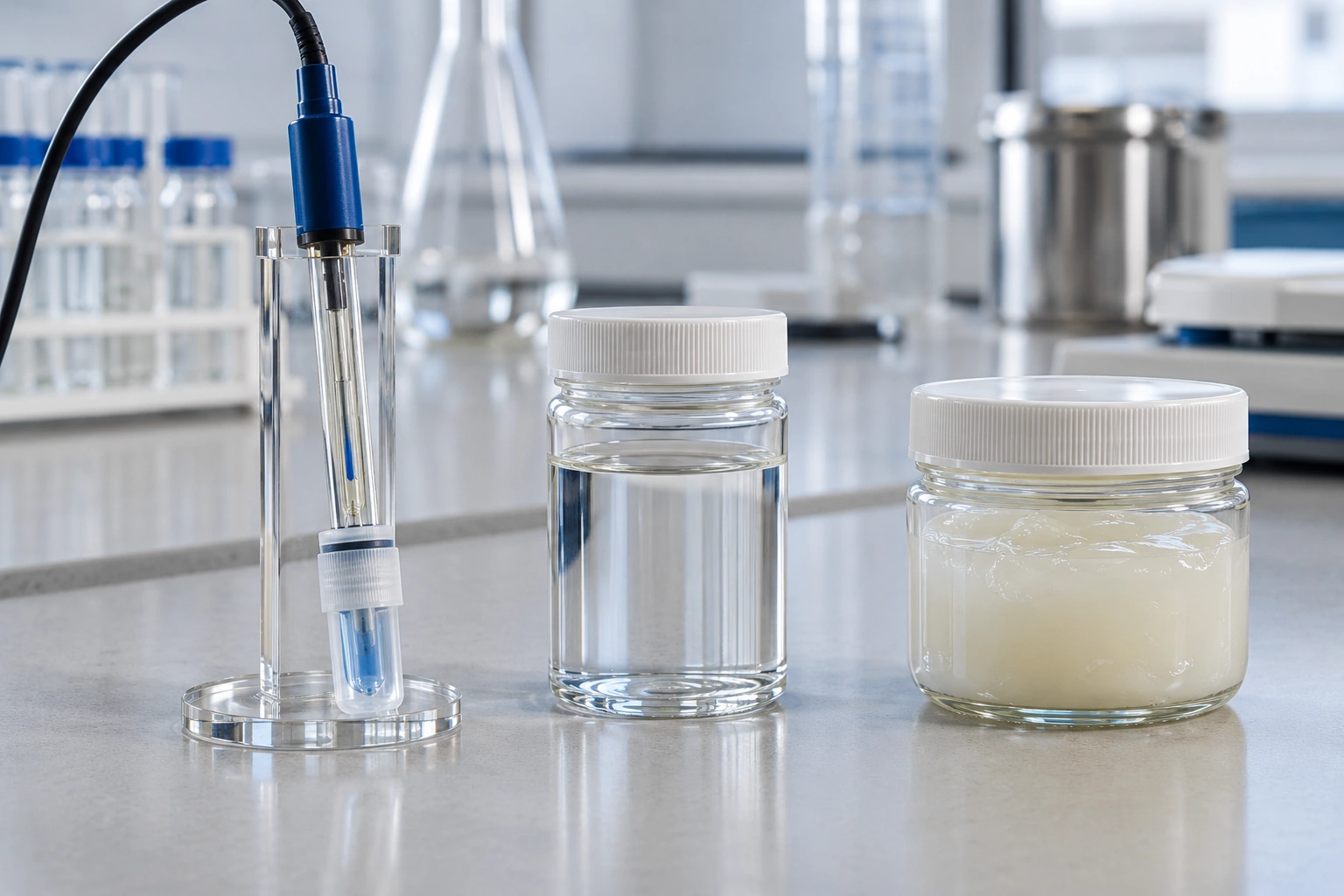
Selecting a pH electrode should begin with the sample, rather than the probe’s appearance or replacement price. Water, low-ionic-strength solutions, viscous materials and samples leaving residue can require different considerations. The electrode must also suit the meter and working conditions.
For laboratory procurement, turn those needs into specifications that can be confirmed. The aim is a meter-and-electrode combination appropriate to the method, not the probe that appears to have the most features. A suitable choice for one sample is not necessarily suitable for every task in the laboratory.
Describe the sample operationally
Record the sample type, expected pH range, working temperature, available volume and components relevant to material compatibility. If a characteristic is unknown, leave it as an explicit question rather than filling the gap with an assumption.
Separate routine samples from occasional exceptions. A laboratory primarily testing water may sometimes receive a more viscous material. Do not assume one electrode can serve both without examining its capabilities and instructions.
The Thermo Fisher Scientific Orion electrode brochure organises choices around application needs. Apply that sample-based approach when preparing supplier questions, then check the specifications of the exact model being offered rather than a general product family.
Consider junction and sample contact
The sensing element and junction both matter to measurement. Sample characteristics can influence construction choice and cleaning requirements. Ask about suitability for the actual sample rather than judging quality from tip size or protective housing.
For samples likely to leave residue, request recommended handling and cleaning information. An electrode should not be selected only because it is easy to immerse if its maintenance procedure does not fit the laboratory’s operating capability.
Low-ionic-strength samples illustrate a requirement needing particular attention. The application note on measuring pH in low-ionic-strength solutions discusses that challenge. Use it to identify selection questions, not as permission to add substances to samples without an approved method.
Match the meter, connector and temperature function
A visually suitable probe may not connect to the meter. Record the brand, model, connector and temperature-input requirements. Ask whether temperature measurement uses a separate sensor or forms part of the probe in the intended configuration.
A matching connector does not establish compatibility with every function. Check the meter manual for electrode and sensor support, including any accessories needed. Request complete product identities so confirmation refers to the same model throughout the discussion.
The working-temperature range must suit the sample and method too. Do not automatically treat the meter’s limit as the electrode’s limit. Different components can carry different specifications; the decision should follow the agreed equipment combination and conditions.
Turn requirements into a confirmation list
| Laboratory information | Confirmation to request |
|---|---|
| Sample type and characteristics | Application suitability and limits |
| Temperature and expected pH | Relevant electrode working range |
| Meter and connector | Connection and function support |
| Sample volume and container | Immersion requirements in the instructions |
| Usage workload | Maintenance and supporting materials |
This list helps compare quotations against the same need. Avoid comparing a bare electrode price with a package including a sensor or accessories. Request a component breakdown and the relevant product documentation.
Identify any procedure or method the laboratory must follow. A supplier needs those boundaries before proposing an alternative. “Laboratory electrode” is too broad to serve as a meaningful purchasing specification.
Plan maintenance during procurement
Ask about storage solution, cleaning materials, filling requirements where applicable and handling instructions. Use the materials and procedures specified for that model. Practices from the old electrode should not automatically be transferred to a different product.
Check the calibration and performance-verification information required by the laboratory. A stable number on the display is not the only basis for deciding whether a measurement meets its purpose. Assessment should follow the laboratory’s established method and criteria.
If previous measurements were problematic, bring the symptoms and context: sample type, electrode condition and steps already taken. Replacing a probe without understanding the cause can reproduce the same problem in the next purchase.
Receive against identity and documentation
On delivery, compare the model, connector, accessories and documentation with the approved order. Record the identity so subsequent use and maintenance can be traced. Suitability is not established merely because the probe fits into the sample container.
Carry out preparation and initial checks according to the manufacturer’s instructions and laboratory procedure before routine use. Resolve any specification discrepancy before treating the product as a working replacement.
Read choosing equipment for water analysis for the wider measurement context. When discussing requirements with Trias, provide sample characteristics, the meter model and method requirements. Those details create a stronger selection basis than a request based on a photograph alone.